
In 1986, Wheaton head soccer coach Joe Bean led the Wheaton soccer team to play in a tournament in England, after which they traveled to communist Romania, smuggling in Bibles at a time when the state was officially hostile toward Protestants and other Christians. Gary Dausey, associate pastor emeritus at Wheaton Bible Church, retells how, as the team was in the customs hall to enter the country, they were able to, at the last moment, miraculously pass inspection without their bags being searched.
“That was a great God moment for the team, and Joe lived for those God moments,” Dausey said.
The Bibles ultimately provided a link between Wheaton Bible Church (WBC) and the small Baptist church in Romania that received them. Both are now thriving as sister churches.
Joe Bean, who passed away on Feb. 13 at age 85, left a powerful legacy. He had a successful career as a soccer coach and was known as a man who always made time to prioritize his faith and family.
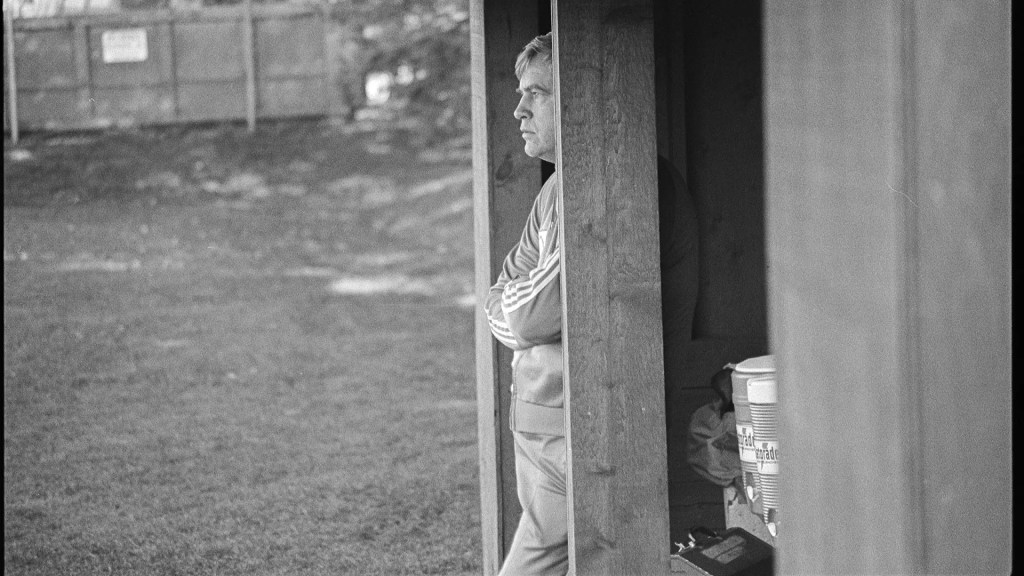
As a student at Butler Township High School in Pennsylvania, Bean was an outstanding athlete who played football, soccer, basketball and baseball. However, it was not until he attended Stroudsburg State University that he met head soccer coach John Eiler, who influenced Bean to continue pursuing soccer seriously. Under Eiler’s guidance, Bean began to focus solely on soccer, eventually developing from player to coach
Bean coached at Quinnipiac University and Bridgeport University until he became the men’s head soccer coach at Wheaton College in 1969, thanks to the recommendation of Cliff McCrath, the father of Steve McCrath, current head coach for the Wheaton men’s soccer team.
During Bean’s tenure, until his retirement in 2006, he was the first collegiate soccer coach to accumulate 607 wins and two national championships, one in 1984 and one in 1997.
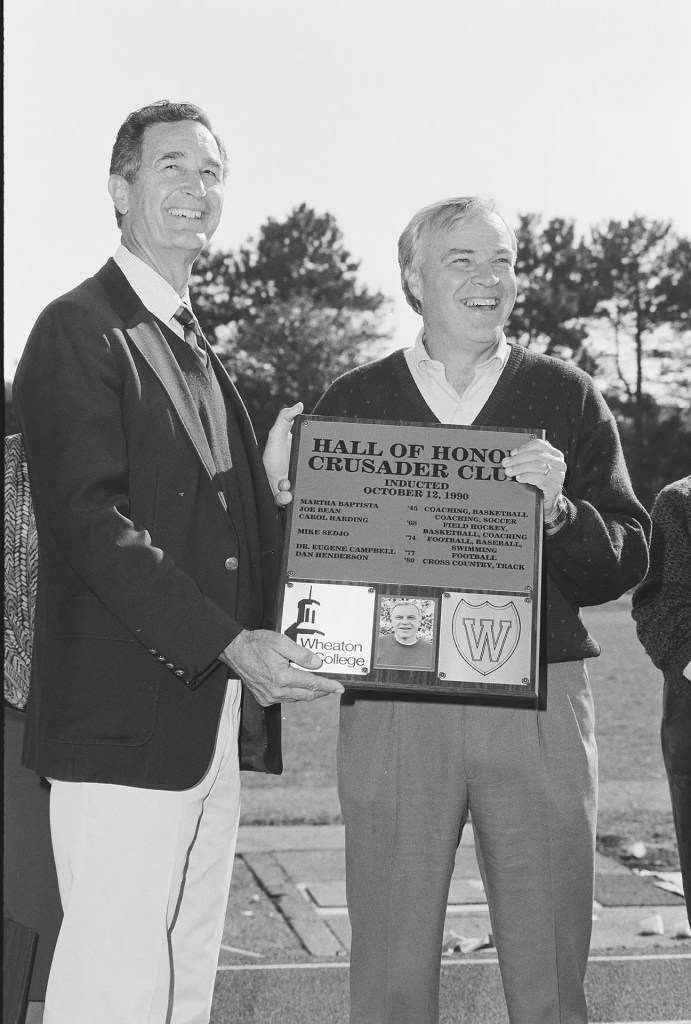
McCrath recalls looking up to Bean early in life. The relationship between the Bean and McCrath families was founded upon the deep friendship of McCrath’s father and Bean over their shared passion for soccer. The two families remain close to this day.
“They just were family,” McCrath said. “There was no warm-up period ever. There never has been since.”
Dausey was on the elder board and in small groups with Bean at WBC. They grew close through Bean’s deep commitment to the church, and Dausey was struck by how Bean balanced coaching soccer with his other leadership roles.
“He loved it, and yet his world was larger than that,” Dausey said. “He was somebody who was always very compassionate, interested in others and what they were doing.”
Bean is remembered as a coach who led his soccer team in a competitive yet relational manner, always showing his players he was there to be more than just a trainer. He offered up his house to players if they needed a place to stay and made it clear to his players that he had time for them.
“Joe was really good at being able to create an atmosphere where you feel seen,” said McCrath.
Simultaneously, Bean inspired his players to embody the soccer team motto “kopion,” a Greek word meaning “to labor until weary.” Tim Sezonov ’88 was one of Bean’s soccer players from 1984 to 1988 and his assistant coach for five years after graduating.
“There was a side of Coach that was always personable and saying something in a funny or loving way, but the man did like to win. He demanded the best from his players and I appreciated that,” Sezenov said.
McCrath recounted an instance of Bean’s coaching style in the 1997 national championship game at the halftime mark. The story goes on to Bean walking into the locker room and saying in a gruff voice, “Guys, one word. Not good.”

That humorous phrase spread around the team and those closest to Bean and is still referenced today. As Dausey said, the mark Bean left in his leadership role was founded upon respect from those around him and the authenticity of his desire to lead a life centered on his faith.
“He treated it more than just a sport, he treated it as an opportunity to invest in the lives of a lot of young men,” Dausey said.
Scott Brown ‘97, one of the team captains for the national championship team of 1997, highlighted Bean’s coaching philosophy. Even as one of the most successful college coaches, he upheld the team to the highest standard in their soccer skills and their character.
“He wouldn’t sacrifice the principle of your integrity or the testimony that you were supposed to have with the competitive nature of the game,” Brown said.
In addition to leading weekly men’s ministry meetings and serving as an elder at WBC, Bean also taught classes for the “Homebuilders” adult community group for twenty years. The group was dedicated to Biblical guidance for adults in their stage of life after children have left the home.
The impact of Bean’s faith, humility and genuine care, as well as his renowned career, speak to the fullness of his life. Dave Kouwe ‘85, one of the captains of the 1984 soccer team and a close friend of Bean’s for forty years, said he was always moved by Bean’s faith.
“Coach never wavered in his faith,” Kouwe said. “It was evident from the first days that I spent with him until the last. He was an outspoken Christian who walked the walk as well as talking the talk.”

