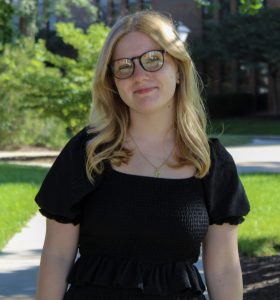
When Kati Shepardson first stepped into Melissa Norton’s office, it wasn’t just for academic support — it was the start of a partnership rooted in understanding, advocacy and shared vision. As director of Learning and Accessibility Services, Norton saw not just a student navigating the challenges of neurodiversity, but also a leader in the making. Together, they began laying the groundwork for a peer group to give neurodivergent students a space to feel supported.
At Wheaton College, Shepardson earned her M.A. in humanitarian leadership in 2020 and completed a trauma certificate in 2022. She is currently pursuing a doctorate in clinical psychology at Wheaton. Shepardson is also a neurodivergent student who has worked with Learning and Accessibility Services (LAS) to receive academic accommodations. Neurodivergence refers to variations in the human brain that affect thinking, learning and behavior, often including conditions like autism, Tourette syndrome and dyslexia.
Shepardson frequently discussed the challenges of being a neurodivergent student with Melissa Norton, director of LAS, such as struggling to focus during traditional lectures due to sensory sensitivities and difficulty with unstructured classroom environments. Through these conversations, they began exploring ways to better support students with similar experiences. Their collaboration led to the idea of creating a peer group specifically for neurodivergent students, offering a space designed to be welcoming and sensory-friendly, free from bright lights and loud noises that can often overwhelm neurodivergent individuals.
“Neurodivergent students are an important part of our campus community, and the number of neurodivergent students on college campuses is expected to continue rising,” said Shepardson. “We want to ensure our neurodivergent students feel fully welcomed at this school and have places of true belonging.”
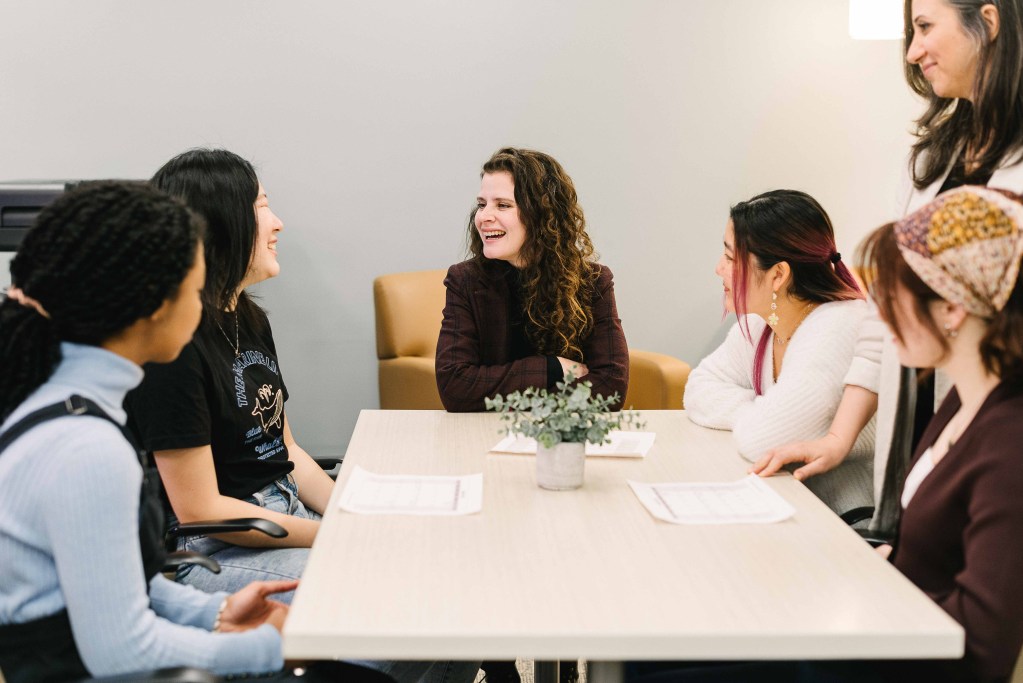
After researching how other colleges support neurodivergent students, Shepardson and Norton launched the Neurodiversity Peer Group in the fall of 2023. The group hosts monthly meetings, weekly undergraduate hangouts and bi-monthly graduate student meetups. They also created a Discord server where any neurodivergent Wheaton student can connect and chat. Since the group’s launch, about 50 students have participated, with around 10 attending each meeting.
Jackson Crawford, a sophomore studying English writing, assists with running the weekly meetings and managing the Discord server messaging group. Crawford is also neurodivergent, as he has attention-deficit/hyperactivity disorder (ADHD).
Crawford emphasizes that the Discord group serves as a great space for accountability. He explains that sometimes neurodivergent individuals want someone to ensure they are completing assignments or attending classes.
“A good example for me would be chapel. Even though Wheaton requires students to attend chapel three times a week, I used to have an awful chapel attendance,” he said. “After all, it just wasn’t a fun experience for me because it is loud and there are a lot of people.”
The group chat allows Crawford to ask people to go to chapel with him or sit with him in class. He will also ask people to walk him to class to ensure he goes and does not skip.
Shepardson explains that they want to continue to adapt the group’s structure to accommodate needs like Crawford’s.
“We still need more spaces for those of us who prefer small groups, low-stimulation environments, and extra time to think and process,” Shepardson said.
Shepardson stressed that the heart of each meeting is to create a safe, inclusive space where neurodivergent individuals can simply be themselves. The group doesn’t impose expectations on how students should participate. Whether someone wants to talk or stay quiet, every approach is welcome.
“Stimming, moving, talking, not talking, making eye contact or not, using fidgets or not — everyone can decide for themselves how they want to participate,” she said.
Shepardson hopes the peer group empowers students to embrace their neurodivergent traits and feel more comfortable with themselves.
“A safe space is one where we’re understood. It’s also where we can find support and encouragement to face the hard things,” she said. “It’s so validating to realize that other people struggle with the same things you do.”
Norton echoed Shepardson’s vision for the group and emphasized the importance of allowing students to express themselves freely.
“A safe space means we don’t have to worry about what our bodies are asking us to do, or whether that behavior is seen as socially appropriate,” Norton said. “It’s a place where we don’t have to mask our neurodivergent traits.”
Norton hopes the neurodiversity group will spark more conversations about expanding accessibility and inclusivity across campus.
“We want these spaces to become hubs for generating ideas on how Wheaton can be more accessible,” she said. “To amplify the voices of students with disabilities in our community.”