By Noelle Worley, Co-Editor-in-Chief, and Selah Hurd, Staff Writer
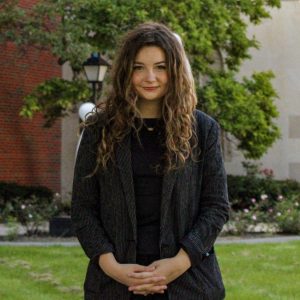
SooAh Yoo, a recently accepted first-year student, spent the afternoon of Aug. 11 sitting in her grandmother’s home in South Korea, refreshing the page of her visa application. Added social media checks and sudden consulate closures had stalled the application process, and her final interview was completed just 13 days before she was set to move into Wheaton College’s Fischer dorm.
Yoo and her mother had decided earlier that day that, if they didn’t hear back about the visa, they would cancel her flights and contact the college about alternative options. After more page refreshes than she could count, Yoo finally read the word “approved.” Her flight was set to leave in two days.
“At the beginning of the year, I was very anxious,” Yoo said. “But as time went on and God was leading me through this whole process, I had this confidence that even it didn’t go my way,” in regard to the visa or plane ticket acquisition.
The day before her flight, Yoo picked up her visa at the post office and flew to the United States to live there for the first time. While the process left her “overwhelmed,” Yoo said she “still had peace even in this whole chaotic process.”
“I guess I had the whole typical freshman feeling of being kind of lost, but my initial feeling was just peace,” Yoo said. “I was just excited to start my campus life.”
Now a nursing major at Wheaton College, Yoo was not the only first-year student on an F-1 visa affected by changing federal policies. On May 27, the Trump administration added a social media background check to the list of student and foreign exchange visa requirements. The administration ordered all United States embassies and consulates to stop booking appointments until a policy for social media vetting was in place. About 20 of Wheaton’s accepted and enrolled first-year students were in limbo.
Appointments did not begin reopening until June 18. Many consulates remained closed even after that date, and backlogs added further delays.
Despite the complications, 40 of Wheaton’s admitted first-year students are F-1 visa holders—the largest class in more than a decade. This rise comes as the National Association of Foreign Student Advisors projected a “potential 30 to 40 percent decline in new international student enrollment in the United States this fall.”
“God made a way compared to the national trend,” said Jerry Woehr, director of international student programs. “There was a lot of fear around that social media vetting,” Woehr said. “So our hope was to be a comforting and clear communicative presence in the student’s process of getting a visa.”
Part of that vetting process involves the applicant disclosing both active and inactive social media accounts online and making them public. Consular officers then review the listed accounts before approving an application.
For first-year health science major Aimee Ng, an F-1 visa student from Australia, both the delays and the social media check added discomfort. “That was kind of stressful because I never like having my stuff public because then anyone can see,” she said.
Ng received her visa two weeks before arriving on campus. “I need to process that I’m actually here because it feels like I’m still dreaming,” she said.
Wheaton’s graduate school also saw success bringing in international students on F-1 visas with more than 50 graduate students on the visa attending classes this fall. Cheryl Margason, director of graduate student life, said that “although the confusion about the changes in the visa appointments was stressful, we had better outcomes this summer.”
Based on webinars and conversations with other international student program directors, Woehr suggested Wheaton’s relatively small size and history of compliance by international student visa holders may have contributed to the college’s unusually strong results. For now, however, Woehr says “we are very thankful for God’s provision.”